Home / Battery Storage
Store what you generate

Battery Storage: Use Your Own Energy, Day Or Night

Bank the power your panels generate during the day and draw on it whenever you actually need it — even after the sun goes down.

The benefits

Battery Storage Benefits, Explained

Store Excess Power ⌄
During daylight hours (which is often when homes use the least electricity) solar panels produce the most power, which typically results in a surplus of power production. The primary function of a battery is to capture this extra energy and then release it later to the home during night-time, or whenever the solar system can't meet the household's electrical needs. This helps you avoid buying electricity back from the grid.
Selling unused electricity back to the grid is an option, but you gain greater financial benefits by storing it in a battery — mainly due to the substantial price gap between buying and selling electricity.
System Monitoring ⌄
Keep an eye on exactly how much energy you're generating, storing and using with a simple app — so you always know how hard your system is working for you.
Low Maintenance ⌄
Modern batteries are built to run themselves — the occasional check-up is normally all it takes to keep your system performing at its best for years to come.
Smart Grid Trading ⌄
Charge your battery when electricity is cheap and draw on it — or sell it back — when prices rise, automatically taking advantage of time-of-use tariffs without you lifting a finger.
Future Price Protection ⌄
As energy prices continue to rise, storing your own power means relying less on the grid — helping protect you from tariff hikes for years to come.
Emergency Backup ⌄
Keep the lights on when the grid goes down. A battery can automatically switch to backup power, keeping your essential appliances running through a power cut.
Why add a battery

Get More Out Of Every Panel

Without storage, any solar energy you don't use straight away is exported back to the grid — often for far less than you pay to buy it back later. A battery lets you keep hold of it instead.

  • Use your own solar power in the evening and overnight
  • Reduce how much you rely on the grid at peak, expensive times
  • Backup power for your home if the grid goes down
  • Pairs with a hybrid inverter for a fully integrated system
Battery size is matched to your household usage and panel output during your free quote — bigger isn't always better.
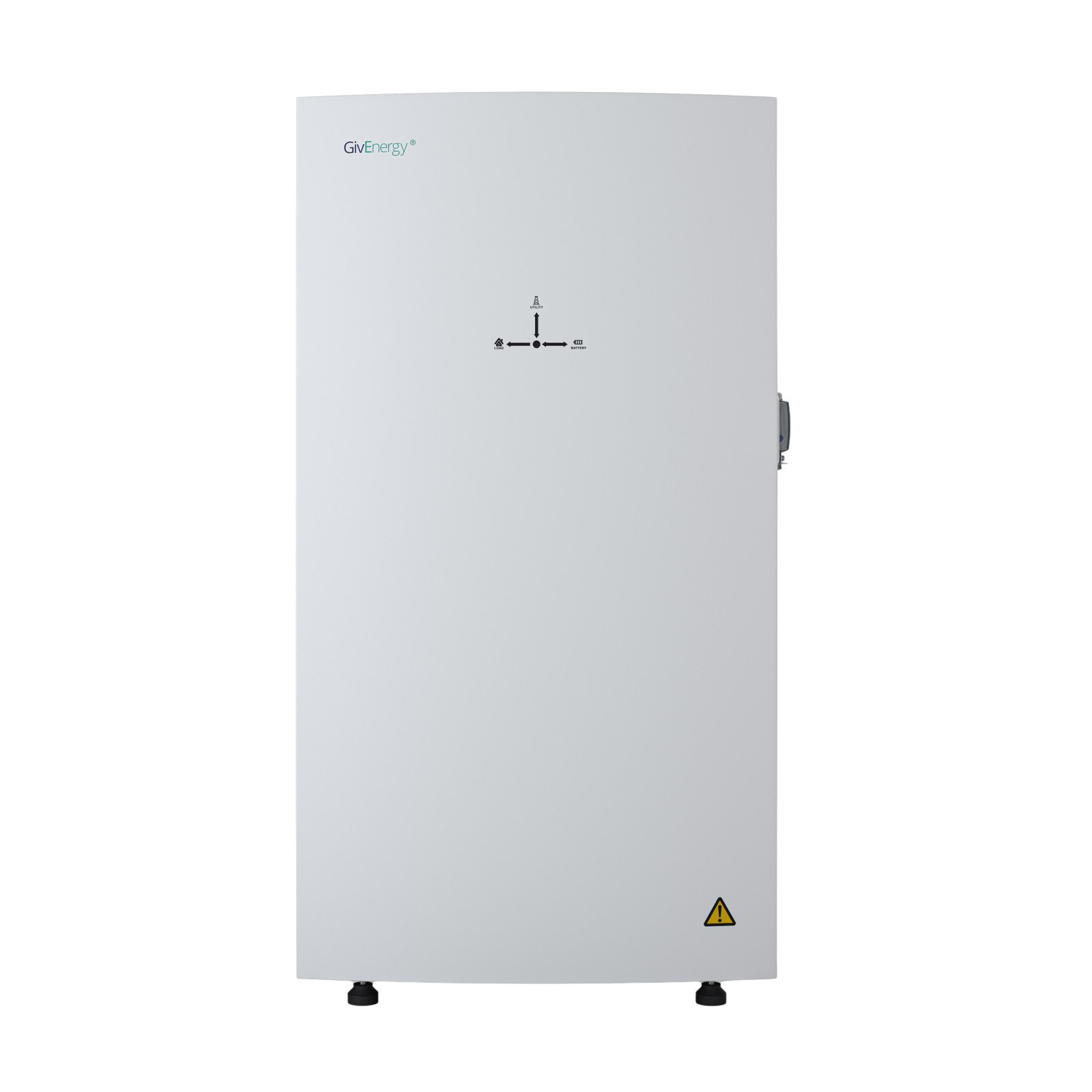
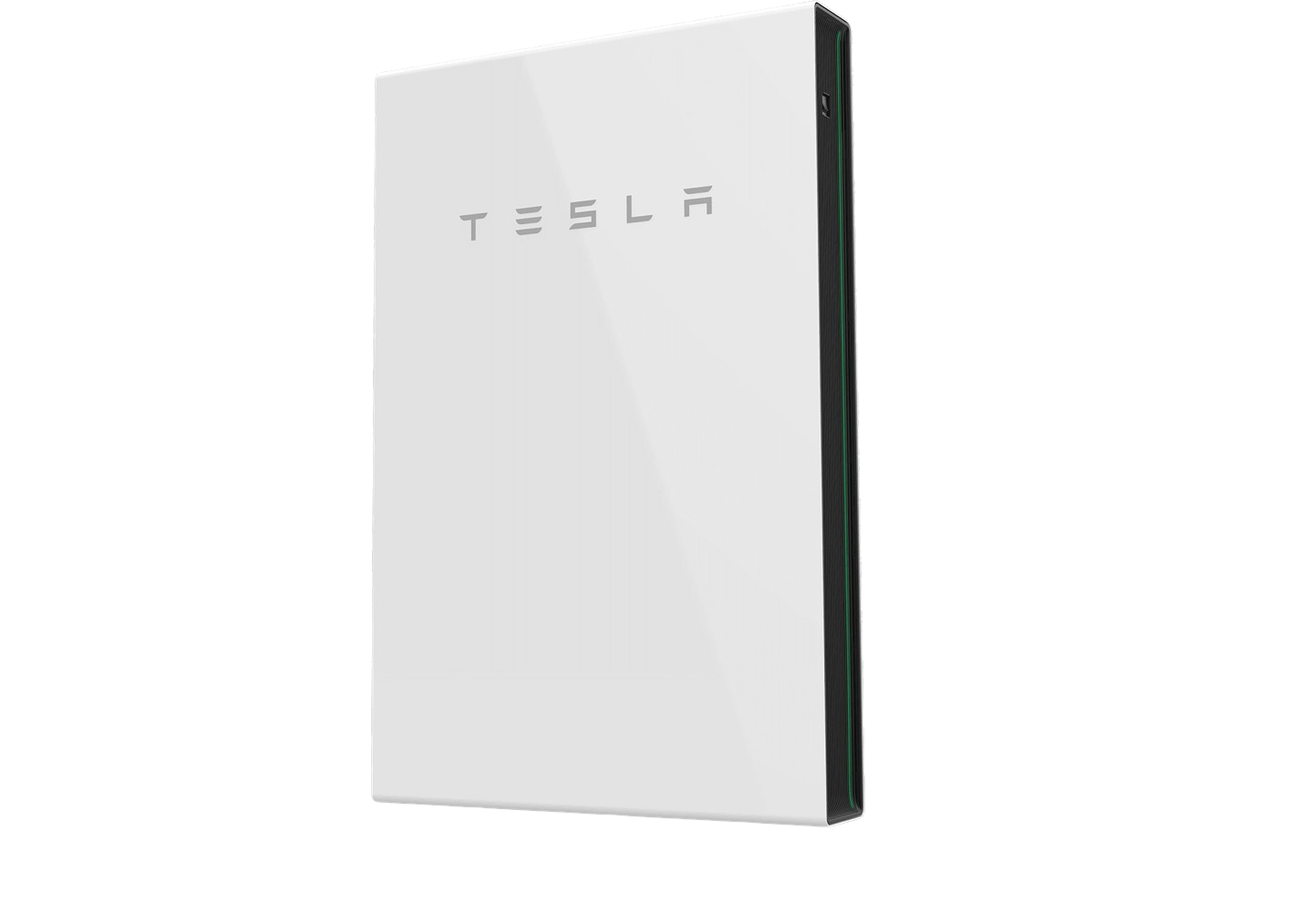
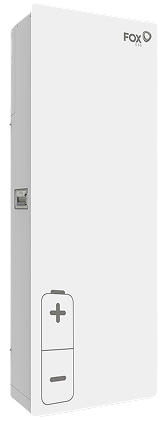
GivEnergy All in One battery and inverter unit Tesla Powerwall home battery FOX ESS all-in-one hybrid battery
Leading technology

We Choose Our Brands Carefully

MPower considers the reliability of its products, services and after-sales a priority, so we choose our manufacturers very carefully. We like to use companies that are financially strong and can provide dedicated end-user support in the UK, guaranteeing the best service. Our line-up of storage brands is known for offering leading-edge storage solutions suitable for a wide range of applications, and we offer a diverse selection of products to accommodate any budget.

AC Or DC?

When it comes to battery installation, you have two options: AC coupling or DC coupling. The choice between these methods depends on whether you already have a solar array in place and the type of inverter you plan to use.

In most cases homeowners won't notice the difference in terms of functionality — both will power your home when the sun goes down, both will be able to charge from the grid, and both can ride through power cuts when set up to do so. But it's still worth knowing the differences.

AC-Coupled

AC-coupled systems are recommended for retrofit (where solar panels are already installed) or for installations that use microinverters. This method is used because it seamlessly integrates batteries into your electrical setup without requiring any modifications to your existing system. Moreover, it's the sole approach for installing standalone batteries in homes without solar panels, for customers who simply want to benefit from peak / off-peak pricing variations. This setup involves an additional component called an AC charger, which converts electricity to and from storage.

DC-Coupled

DC-coupled systems are the preferred choice for new installations, primarily due to their cost-effectiveness and efficiency. Instead of using a traditional string inverter, these systems employ a hybrid inverter with built-in battery connections. This removes the need for a second inverter or AC charger, because the hybrid inverter handles any necessary conversions for the household when needed. These systems also store the energy generated by solar panels directly in its native DC form, giving a slight boost in overall efficiency.

Please be aware that for most AC installations, you'll typically need to request additional authorisation from the DNO (Distribution Network Operator), since you'll be incorporating an extra generator (inverter) into your system. This requirement doesn't apply when using hybrid inverters.

Pair Solar With Storage

Get an instant, no-obligation price today in under 30 seconds.

Get A Quote